DBF are a class act. We used them for the sale of a house. Professional, clear and responsive. Craig and Belinda who handled our case were great. Nothing was too much trouble, responsive and easy to get hold of.
Dave Weston


Our Manchester office is rated 5 stars on Google

Let us be the voice of reason to resolve your dispute
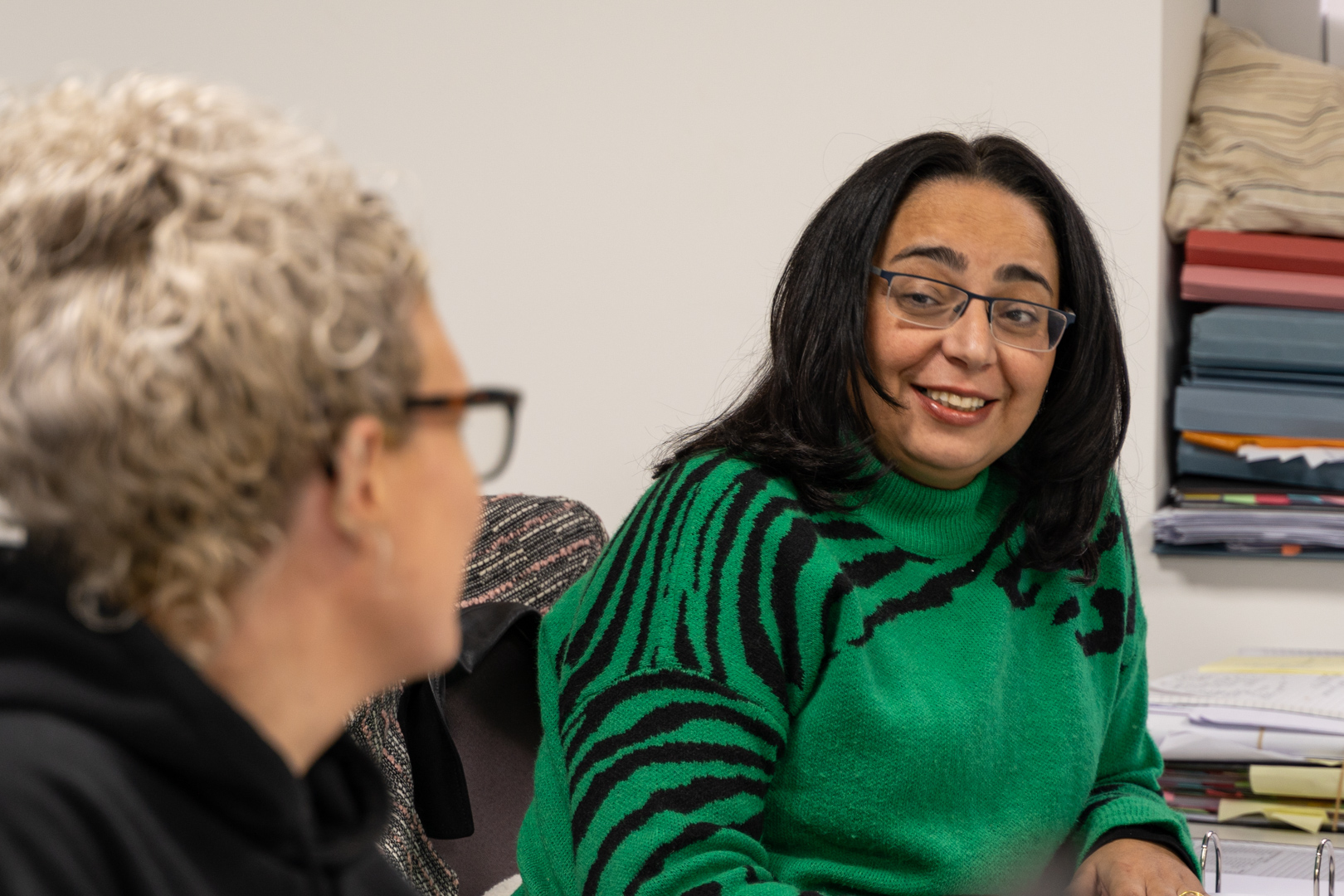
Alternative Dispute Resolution (ADR) encompasses non-litigation methods to resolve conflicts, offering efficient, cost-effective, and less adversarial approaches. Mediation involves a neutral mediator facilitating settlement discussions between the parties, while Arbitration employs an arbitrator to consider evidence and makes a decision which binds the parties. Negotiations entails direct party-to-party communications in an effort to resolve matters.
The Dispute Resolution Process is the manner by which parties seek to resolve their disputes. Some contracts expressly state the method by which the dispute must be dealt with. In the absence of such an agreement parties turn to court or tribunal proceedings as well as alternative dispute resolution processes such as negotiations, Mediation, Arbitration or Adjudication.
Yes, mediation is a prominent form of alternative dispute resolution (ADR). ADR methods are alternatives to traditional litigation, aiming to resolve conflicts outside of the courtroom. In mediation, a neutral third party, the mediator, facilitates communications and negotiations between disputing parties. Then mediator help the parties explore their interests and reach a mutually acceptable agreement, but do not impose decisions. Mediation is known for its flexibility, informality, and potential for preserving relationships. It is widely used, making it a valuable tool for resolving disagreements without resorting to formal legal processes.
Alternative Dispute Resolution (ADR) methods, such as Mediation or Arbitration. Mediation involves a neutral third party "a mediator" who facilitates discussions and help parties reach settlement on terms agreed between them, in Arbitration the neutral third party determines the dispute and the parties are bound by the decision of the arbitrator.
Litigation is a long an expensive process often taking years. Alterative dispute resolution, such as mediation or arbitration are often quicker and less expensive methods of resolving disputes. The length of time these processes take can vary widely depending on several factors. Simple cases might be resolved in a few hours or a day, while complex disputes could take weeks or even months. Factors influencing the timeline include the complexity of the issues, the willingness of the parties to cooperate, the availability of the mediator or arbitrator, and the number of sessions needed for resolution. Ultimately, the length of dispute resolution depends on the unique circumstances of each dispute.
Alternative Dispute Resolution (ADR) methods offer alternatives to traditional litigation. Common ADR methods include:
Mediation: A neutral mediator facilitates discussions to help parties reach a voluntary agreement.
Arbitration: An arbitrator renders a binding decision after considering evidence and arguments presented by the parties.
Negotiation: Parties engage in direct discussions to resolve their dispute without third-party intervention.
Each method offers distinct advantages suited to different situations.

 Founded in 1877
 60+ experienced employees
 Offices in Manchester & Glossop
 Full service law firm
DBF are a class act. We used them for the sale of a house. Professional, clear and responsive. Craig and Belinda who handled our case were great. Nothing was too much trouble, responsive and easy to get hold of.
Dave Weston
“Very approachable, practical solutions to problems, but most of all very responsive which I personally think is very important because if you need help, you need it quickly, or at least to know someone is looking at it for you”.
Joanne Rowe, Finance Director, Greater Manchester Chamber
“Always able to contact, very approachable, friendly and professional”
Nives Feely, JAM Recruitment
“I believe I have been able to establish a professional working relationship with everyone I have come into contact. Importantly, I sense the relationships which have been established give me the confidence that I can make contact with Davis Blank Furniss at any time and on any matter. I would also like to express my thanks to the very impressive “gatekeepers” who work in reception, not only for making me very welcome, but also for their professionalism”
Bill Pryke, CEO, Chartered Institution of Civil Engineering Surveyors
“Thank you for your efficient and friendly help throughout this process. We have had it easy but your approach has been part of that”.
Robert Amsbury (Conveyancing Client)
“I would like to take this opportunity to thank you personally for the ongoing support and assistance the firm has offered to our parents over the years. I hope also that we may be able to call on you if necessary in the future.”
Valerie Fisher (Probate Client)
“Jo always provides great service, understands our needs and delivers on her promises. Our needs are relatively simple but the complexity arises out of the volume of work and short time frames, Jo always delivers.”
Peter Fernandez, Corporate Director at Royal Bank of Scotland
“A big thank you to all who dealt with my wife’s claim… We would not hesitate to recommend Davis Blank Furniss to anyone that may be in a situation like we have been…”
Anon (Personal Injury client)
“Before putting my case in Kirsty (Morbey)’s capable hands I’ve met a couple of other solicitors. None of them listen to me as intently as Kirsty and showed me as much empathy and understanding as she did. Simultaneously she was able to look at my case from legal perspective, explain all the options and follow each of our meetings with written summary of the discussed matters (in timely manner). Her advice was invaluable and led me to successfully ending the case matter (hopeful for good). I’m forever grateful for he work and would definitely recommend her to anyone looking for reliable, knowledgeable and committed solicitor”.
Anon (Family client)
Our Manchester office is rated 5 stars on Google

If you need any legal advice or assistance with regards to personal or family law, contact the Davis Blank Furniss team now.
If you need any legal advice or assistance with regards to personal or family law, contact the Davis Blank Furniss team now.
If you need any legal advice or assistance from our Manchester office, contact the Davis Blank Furniss team now.
If you need any legal advice or assistance from our Glossop office, contact the Davis Blank Furniss team now.